

Podcast SEO is the process of making a podcast easier to find on platforms like Spotify, Apple Podcasts, and Google. By using the right keywords, clear titles, and detailed descriptions, creators can help their shows appear higher in search results and reach new listeners. With over two million podcasts available, search engine optimization gives podcasts a better chance of standing out in a crowded market.

Many listeners find new podcasts by searching key topics or phrases within their favorite apps. This means that the words used in your titles, descriptions, and show notes matter a lot for discovery. Smart podcast SEO not only improves visibility but also draws in the right audience who are interested in your content. For more details on ranking higher, see these tips from Castos on SEO for podcasts.
Key Takeaways
- Podcast SEO helps audiences find shows through smart keywords and clear descriptions.
- Optimizing metadata and written content increases search visibility.
- Tracking performance helps improve and refine podcast SEO strategies.
Fundamentals of Podcast SEO

Podcast SEO is the practice of making podcast content easier for people and platforms to find. Using the right techniques can increase the discoverability of podcasts in search results, attract new podcast listeners, and grow brand awareness through higher visibility.
What Is Podcast SEO
Podcast SEO is the process of optimizing podcasts and their associated content so that search engines and podcast directories like Google, Apple Podcasts, and Spotify can better understand and rank them. This includes making sure that podcast titles, descriptions, and show notes contain relevant keywords related to the topic and target audience. Effective podcast SEO also considers the best practices for structuring podcast content, organizing episodes, and providing accurate metadata.
Key elements of podcast SEO include:
- Researching search queries relevant to listeners
- Writing clear and engaging episode descriptions
- Using keywords in titles and metadata
- Publishing episode transcripts
Good podcast SEO helps podcasts appear higher in the SERP and on popular podcast platforms, increasing the chances that listeners will find and play new episodes. For more detailed strategies, see the tips shared by Riverside.
How Search Engines Index Podcasts
Search engines like Google use multiple signals to determine how to index and rank podcasts. Google scans podcast RSS feeds, episode titles, descriptions, and available transcripts. Recently, Google started to include audio content in search results, making SEO for podcasts even more important.
Podcast directories such as Apple Podcasts and Spotify also rely on this information in a similar way, pulling keywords and metadata to list podcasts that match what users are searching for. Clear, descriptive show notes and keyword-rich podcast descriptions help algorithms understand the topic and relevance of each episode.
To boost indexing, it’s essential that podcasters upload detailed metadata and, if possible, provide transcripts for every episode. This approach helps both search engines and platforms display the podcast more prominently in response to search queries. Get more technical guidance from Podcast Abundance.
Benefits of Optimizing Your Podcast
Optimizing podcast content increases visibility across search engines and directories, leading to greater organic traffic and audience growth. Effective podcast SEO lets new listeners discover shows through search queries, not just by browsing podcast platforms, which widens the reach beyond existing audiences.
SEO for podcasts can also build stronger brand awareness by positioning the show as an authority when it appears in search results for industry topics or keywords. Well-optimized podcasts often rank higher on Google Podcasts, Spotify, and Apple Podcasts, making it easier for people to find them in crowded podcast directories.
Podcasters gain several advantages with strong SEO, including:
- Higher listener numbers from organic search
- More mentions and sharing of episodes
- Better opportunities for backlinks and guest appearances
For a comprehensive guide on the basics, see this overview from SEO.co.
Keyword Research for Podcasts
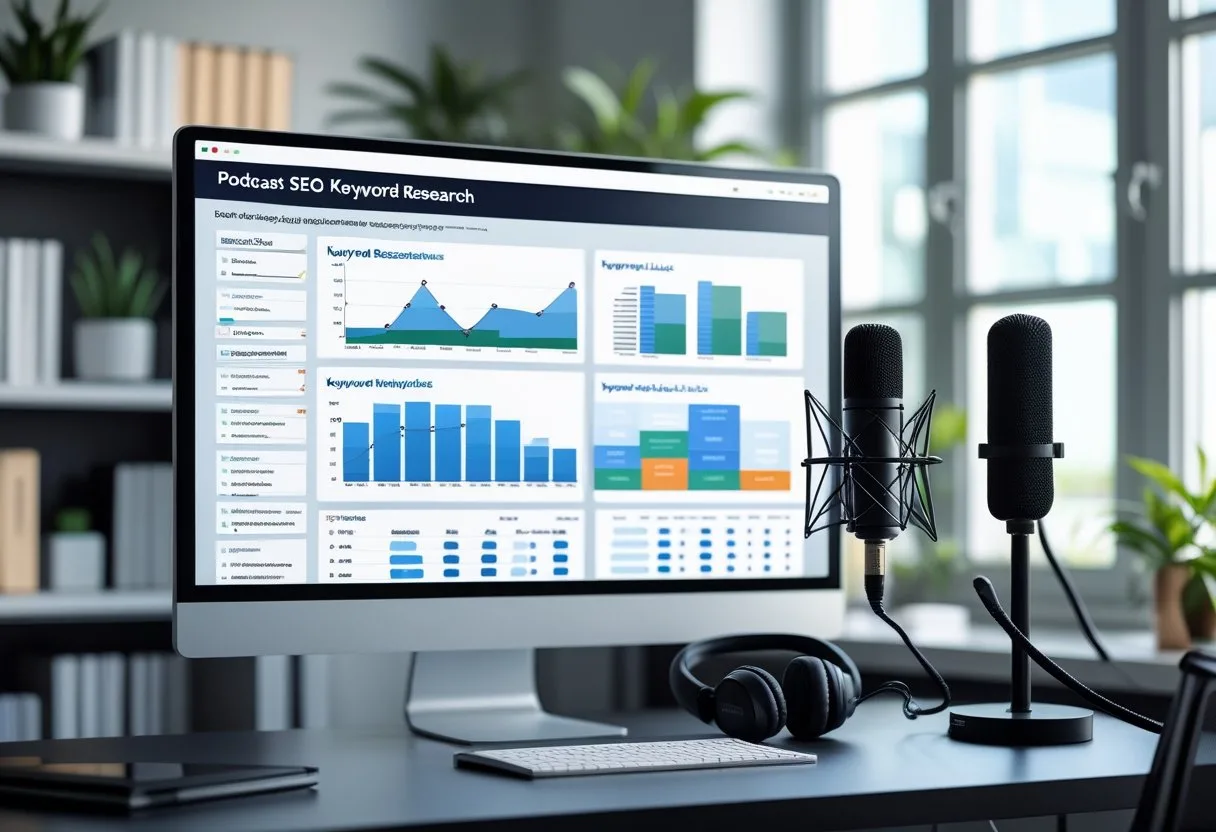
Keyword research plays a major role in podcast SEO. By picking the right target keywords, shows can reach more listeners and become easier to find on search engines and podcast apps.
Finding Target Keywords
To find good target keywords, podcast creators should start by brainstorming topics that fit their show’s theme. They should think about what their audience cares about and what questions listeners might ask. Making a simple list of possible search terms can help focus their research.
Using tools and competitor analysis can help narrow the list. After brainstorming, reviewing what keywords other podcasts in the space use, or picking words from episode titles and descriptions, is helpful. Phrases should match how people talk and search for podcasts, focusing on natural, simple language instead of jargon. Looking for specific keywords with lower competition but clear intent, like “history podcast for kids,” can be especially effective.
Keyword Research Tools
Several keyword research tools are useful for podcast SEO. Google Ads Keyword Planner is a popular free option for discovering keyword volume and trends. Tools like SEMrush and Moz offer more advanced keyword research features that help users analyze keyword difficulty, spot keyword opportunities, and see what competitors rank for.
Dedicated podcast SEO platforms like PodSEO or Listen Notes help identify podcast-specific keywords. Using a mix of both general and podcast-specific tools improves the results. For finding more conversational or long-tail phrases, Google Trends and social media trends may be helpful as well. A simple table of keyword suggestions, monthly volume, and competition scores can help organize research.
| Keyword | Monthly Volume | Competition |
|---|---|---|
| true crime podcast | 22,000 | High |
| meditation podcast | 8,100 | Medium |
| parenting tips audio | 1,300 | Low |
Trending Topics vs. Evergreen Topics
Choosing between trending topics and evergreen topics can impact long-term growth. Trending topics, such as breaking news or viral events, may bring quick spikes in listeners if the keywords gain traction. Using keyword research tools, creators can look for trends by reviewing search volume over the last few weeks in Google Trends.
Evergreen topics, like “how to start a podcast” or “best sleep tips,” stay relevant for a long time. They usually keep steady search interest and bring in regular new listeners. It’s important to balance both types. Mixing trending episodes with evergreen content can make a podcast more discoverable and help episodes rank well in search over time. For a step-by-step guide to brainstorming topics, visit Podcast Keyword Research.
Optimizing Podcast Titles and Artwork
Strong podcast titles and clear artwork help people discover new shows. Good choices improve brand awareness and make it easier for listeners to find the right content.
Crafting Effective Podcast Titles
Effective podcast titles use relevant keywords so listeners and search engines can understand what the show or episode is about. Clear titles for each episode help a podcast stand out in crowded categories and genres.
When writing a podcast title or episode title, it’s best to keep it concise and specific. Including key topics or the guest’s name can help. For example, a title like “How to Launch a Food Podcast with Jane Smith” is more helpful than something vague.
To optimize your podcast, use consistent naming conventions across your show page and episode list. Avoid using only clever puns or single-word titles, as these may not perform as well in search results. Instead, choose words that someone might actually search for on Google or in podcasting apps. For more ideas, see tips on optimizing your podcast episode titles.
Designing SEO-Friendly Podcast Artwork
Podcast artwork makes a show memorable, but it can also help with search engine performance. Good artwork follows official podcast directory guidelines for image size, file type, and quality.
Artwork should clearly show the podcast name and, if possible, a graphic or symbol that reflects the topic, category, or genre of the podcast. Using readable fonts is important, especially because artwork appears small in podcast apps.
To build brand awareness, use the same colors and style on your artwork that you use on your website and other channels. Describe your podcast artwork with image alt text on your show page to improve SEO. For more details, check out steps to optimize episode artwork for SEO.
Metadata and Descriptions
Metadata is the backbone of podcast search engine optimization. Well-chosen titles and precise descriptions can make a podcast easier to find on search engines and podcast apps.
Optimizing Podcast Metadata
Podcast metadata includes key elements like the show title, episode titles, author names, tags, and meta descriptions. Search engines and podcast directories use this metadata to categorize and recommend shows.
It is important to use clear, specific keywords in each field. For example, a show about healthy eating could include terms like “nutrition tips” or “meal planning” in the podcast and episode titles. Keeping the metadata accurate helps listeners find what they are looking for.
Well-optimized metadata should avoid unnecessary repetition but still highlight main topics. Using unique descriptors for each episode also helps signals to search engines what a specific episode covers. Including keywords naturally in the metadata supports higher visibility on platforms like Apple Podcasts and Spotify. More tips for improving podcast metadata can be found at this podcast SEO guide.
Writing Compelling Podcast Descriptions
A strong podcast description tells the listener what the show covers and why it matters. It also helps search engines decide when to show the podcast in results.
The show description should use relevant keywords in the first few sentences. This helps both people and search engines quickly understand the focus. For episode descriptions, highlight the main topics and any guests or special content.
Bullet points and bold text can make key information stand out. It’s important to be concise and avoid long blocks of text. Keep descriptions up to date and relevant for every new episode. For more details on effective descriptions, review the tips at Podcast SEO: How to Make Your Show Discoverable.
Improving Show Notes and Written Content
For podcasts to reach a wider audience and gain better online visibility, it is important to focus on the quality and structure of all written materials. Structured show notes, full transcripts, and repurposed blog posts help podcasts get discovered in search engines and make content more accessible to users.
Creating Valuable Show Notes
Effective show notes give listeners a clear summary of the main topics covered in an episode. These notes should highlight key points, include well-organized lists, and mention any guest names or resources discussed.
Important elements include:
- A brief episode summary
- A list of main topics with timestamps
- Key takeaways or action items
- Links to websites, social profiles, and products
Adding a call to action, such as encouraging subscribers or asking for feedback, can help increase listener engagement. Optimizing show notes with targeted keywords also boosts search engine ranking, making it easier for new audiences to discover podcast content. Studies show that well-organized show notes can drive more traffic and improve the SEO performance of both the podcast and its website.
Utilizing Transcripts and Transcriptions
Providing full podcast transcripts or accurate transcriptions improves accessibility for people who are deaf or hard of hearing. It also allows users to scan content and find specific information quickly.
Search engines can index transcript text, dramatically increasing the chances of podcast episodes appearing in search results. This makes transcripts a helpful tool for boosting podcast visibility and discoverability.
Posting transcripts alongside show notes or as separate downloadable files creates more written content for search engines to crawl. This can result in more inbound traffic and increases opportunities for backlinking from other websites, which is valuable for content marketing.
Repurposing Podcast Content into Blogs
Turning podcast episodes into blog posts is an effective way to widen the reach of podcast content. Blog articles can be structured summaries, deep dives into main topics, or even Q&A formats expanded from the discussion.
Repurposed blog content attracts new visitors who prefer reading and can also be shared across social networks to drive extra traffic. This strategy supports content marketing by building a larger online presence and increasing brand awareness.
Adding quotes from guests, highlights, and relevant external links gives the blog extra value. Internal linking between the blog, podcast show notes, and transcripts also keeps visitors engaged and encourages them to explore more written content, ultimately increasing the podcast’s visibility in search engines.
Optimizing Podcast Platforms
Podcast creators should focus on both their presence in major podcast directories and the quality of their main podcast page. Doing so helps listeners find, subscribe, and engage with episodes across search results and key podcast platforms.
Best Practices for Podcast Directories
Submitting a podcast to directories like Apple Podcasts, Spotify, and Google Podcasts is the first step. Each platform has its own listing process and requirements. Use a consistent podcast name, clear author information, and eye-catching cover art.
Titles and descriptions matter. Include keywords that match what listeners might type into search bars. Most directories, such as Apple Podcasts or Spotify, pull search results from metadata, so filling out categories and tags accurately can increase your podcast’s chances of being found.
Make sure your episodes use a logical and clean numbering system. Platforms often display show notes, so write short summaries with relevant terms. Keep your RSS feed up to date by publishing new content regularly. This signals to both listeners and platforms that the podcast is active.
Enhancing Your Podcast Page
A podcast’s main page, whether on a podcast directory or a dedicated website, must be inviting and easy to use. Include strong visuals, a clear description of the show, and easy navigation to all episodes.
Elements of an Effective Podcast Page:
| Feature | Importance |
|---|---|
| Podcast cover art | Attracts attention |
| Show description | Explains content quickly |
| Episode list | Improves navigation |
| Subscribe buttons | Makes following easier |
| Social links | Grows audience |
A dedicated podcast website can help with branding and search engine ranking. Optimize page titles, use alt text for images, and include ways for users to contact or share episodes. Adding transcripts to episode pages improves accessibility and can help the podcast appear in more search results.
Maximizing Discoverability
Improving podcast discoverability involves growing authority, gaining quality backlinks, and using social platforms and video to reach audiences. Boosting organic traffic and brand awareness depends on smart marketing strategies that use more than just audio.
Building Authority and Backlinks
Building authority is key for any podcast that wants to stand out. Having guest experts on the show or being interviewed on other podcasts creates natural backlinks to the main podcast site. Quality backlinks from trusted sites help raise search rankings and draw more organic traffic.
Links in press releases, guest blog posts, or from podcast directories give strong signals to search engines. Podcast hosts can also encourage listeners to share links, boosting reach even further. Regularly updating a podcast website with show notes, transcripts, and resources increases the chance that other sites will link back to it.
A table can help keep track of backlink opportunities:
| Opportunity Type | Benefit | Example |
|---|---|---|
| Guest Appearances | Authority & links | Podcast swaps |
| Press Releases | Broad reach, credibility | Industry news |
| Listings in Directories | Exposure, backlinks | Apple, Spotify |
Building relationships with other creators and being featured in industry roundups are also great tactics to grow both authority and backlinks. This approach boosts credibility, supporting brand awareness and discoverability at the same time.
Leveraging Social Media and YouTube
Social media platforms are great tools for increasing podcast discoverability. Sharing clips, quotes, or behind-the-scenes moments keeps audiences engaged and encourages sharing. Consistent posting using targeted hashtags helps reach new listeners and improve brand awareness.
YouTube is powerful for podcasts, even if the content is audio-only. Uploading episodes or a short podcast trailer on YouTube attracts users who prefer video platforms. YouTube’s search features and recommendation algorithm can drive organic traffic to the show.
Short video teasers work well on Instagram, X (Twitter), TikTok, and Facebook. Links and call-to-action buttons in these posts guide users back to the main podcast, turning viewers into subscribers. These strategies make both new and established podcasts easier to discover across multiple platforms, helping grow the audience steadily. For more information about social media and discoverability, see this guide to podcast SEO and discoverability.
Analyzing Podcast SEO Performance
Measuring how a podcast performs in search results can show what works and what needs improvement. Tracking both metrics and listener responses helps creators improve search engine optimization and grow their audience.
Tracking Rankings and Metrics
Podcast performance can be reviewed using a mix of data sources, such as Google Analytics, podcast hosting dashboards, and search engine ranking tools. Important metrics include download numbers, episode traffic, and subscriber growth. Charting these over time shows if SEO efforts are working or need adjusting.
A simple table can help organize the most valuable metrics:
| Metric | What it Shows | How to Use |
|---|---|---|
| Downloads | Popularity of episodes | Spot trends and high performers |
| Listen-through Rate | Listener engagement | Adjust content for retention |
| Search Rankings | SEO success | Measure discoverability |
Setting up regular check-ins to review these numbers is important. Platforms like Apple Podcasts and Spotify will also show charts for analyzing episode performance. With this data, changes to keywords or descriptions can be planned and tested.
Understanding User Experience and Listener Engagement
User experience has a direct effect on podcast SEO and rankings in directories. High listener engagement, measured by how much of an episode is played, the number of shares, and reviews from podcast listeners, often leads to better ranking and visibility.
Podcasts can encourage feedback and ask for reviews within episodes to increase interactions. Responding to listener comments or questions can help build a loyal audience.
If listeners stop episodes early or leave low ratings, it is a sign that content, audio quality, or delivery should be improved. Monitoring engagement metrics and direct feedback is key to keeping listeners happy and improving podcast discoverability. Adjusting based on real user experience data leads to steady growth in search engine optimization results.
Advanced Podcast SEO Strategies
Using advanced techniques can increase a podcast’s visibility in search results and on listening platforms. Detailed technical steps and careful planning help content reach a wider audience and improve user experience.
Technical SEO for Podcasts
Technical SEO for podcasts focuses on site structure, feed health, and accessibility. A reliable podcast RSS feed is essential. It should be free of errors, update quickly, and include important tags such as episode titles, descriptions, and author names.
Podcast websites should load fast, be mobile-friendly, and use secure HTTPS. Pages should have unique meta titles and descriptions with target keywords. Organizing episodes into clear categories helps both listeners and search engines. Structured data, like podcast schema markup, can help Google recognize and display episodes.
Regular technical audits ensure that new episodes are indexed and no errors block discovery. Well-maintained feeds make it easier for platforms and search engines to deliver content to users.
Frequently Asked Questions
Podcasters can improve their SEO by using the right tools and strategies. Focusing on keywords, optimizing episode details, and building a strong online presence helps increase listener reach and engagement.
What are the best tools for improving a podcast’s SEO?
Some of the best tools to improve podcast SEO include keyword research tools like Google Keyword Planner and platforms that provide transcription services. Riverside and similar tools can make it easier to create detailed episode transcripts and show notes, which help boost search visibility on platforms such as Google and Spotify. Learn more about effective SEO tools at Podcast SEO 101: 12 Key Tips to Build a Bigger Audience – Riverside.
How can beginners effectively optimize their podcasts for search engines?
Beginners should start by researching keywords related to their podcast topic. Including these keywords in episode titles, descriptions, and show notes helps improve ranking. Publishing transcripts of each episode is also important for better search indexing. For additional beginner tips, see SEO for Podcasts: Everything You Need to Know | Castos.
What strategies work best for optimizing podcasts on platforms like Spotify?
Optimizing podcasts on Spotify involves using clear, keyword-focused episode titles and descriptions. Consistent publishing and using high-quality cover art can also help attract listeners. Engaging with the audience and encouraging reviews can increase a podcast’s visibility on Spotify. More info can be found at Podcast SEO increases visibility by helping new listeners discover your show on platforms like Google and Spotify.
How does having a podcast influence website SEO?
Publishing podcast show notes and full transcripts on a website adds fresh content and relevant keywords, helping the site rank higher on search engines. Internal linking to podcast episodes and embedding the audio can increase time spent on the website, which signals value to search engines. Find more tips at Podcast + Media on effective methods to leverage podcasts for SEO.
What are the key elements of successful podcast marketing?
Successful podcast marketing includes promoting episodes on social media, collaborating with guests, and collecting listener reviews. Creating detailed show notes with key points and relevant keywords can also help attract new listeners through search engines. Consistency in quality and publishing further strengthens the podcast’s reputation.
How can podcasters increase their visibility on Apple Podcasts?
Podcasters can increase visibility on Apple Podcasts by using accurate and keyword-rich titles and descriptions for each episode. Asking listeners to subscribe and leave reviews also helps improve ranking. High-quality cover art and regular update schedules support better results in Apple Podcasts’ search algorithm.