

Samsung’s One UI is the custom user interface found on Galaxy phones, tablets, and smartwatches. It changes how users interact with their devices, offering unique designs and handy features that are not included in standard Android. One UI makes Samsung devices easier to use by simplifying navigation and highlighting the most important functions. The oneui design enhances user experience significantly.

This user interface is updated often, with each new version aiming to improve performance and add new options. Many people choose Samsung devices because One UI gives them more control and lets them personalize their experience. Those interested in trying out the latest features can read about the most recent updates, like the rollout details and improvements in One UI 7.
For those exploring new options, oneui offers customization that sets it apart from other interfaces.
Users can leverage oneui’s advanced tools to optimize their device functionality.
One UI’s adaptability reflects Samsung’s commitment to oneui enhancements.
Understanding how One UI works can help users make the most of their Samsung devices. From design changes to new tools powered by artificial intelligence, there are many ways One UI stands out from other smartphone interfaces.
The oneui interface prioritizes user-friendliness and accessibility.
What Is One UI?
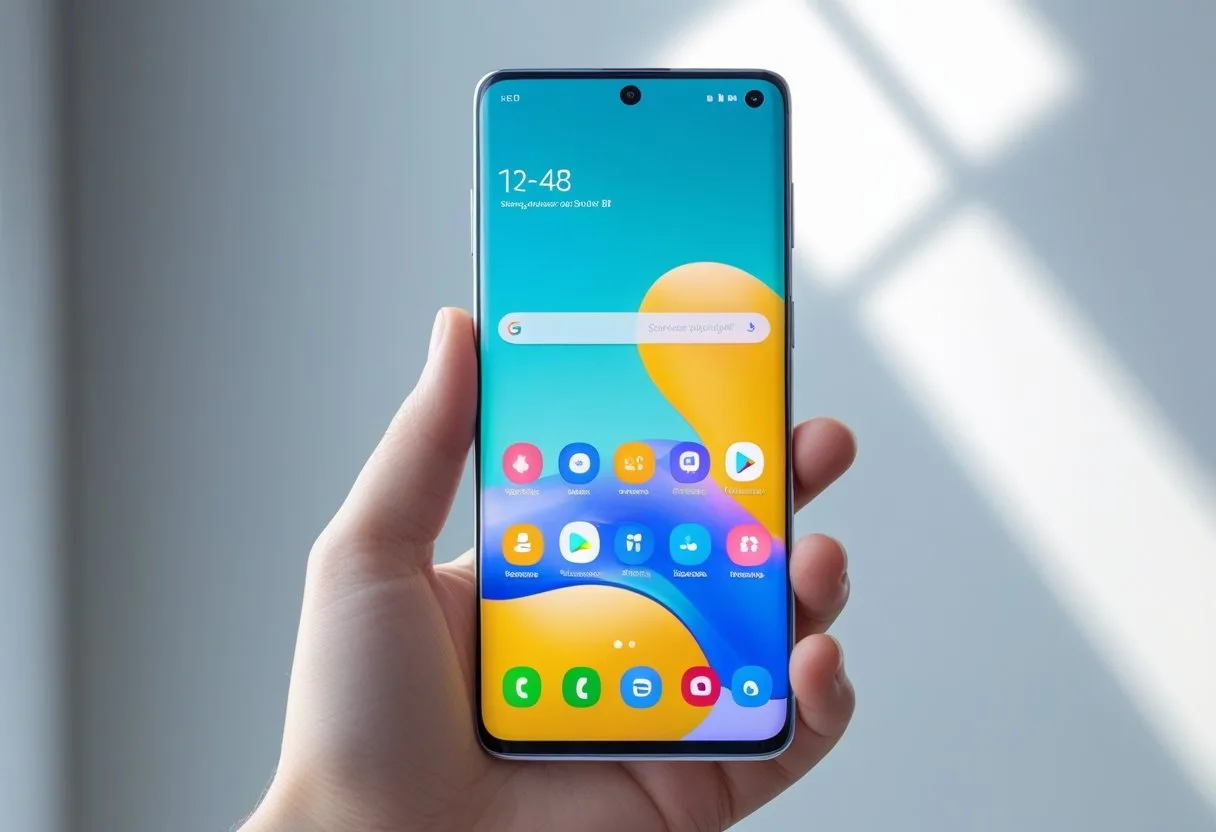
With oneui, Samsung has made strides in simplifying user interactions.
Recent upgrades in oneui focus on privacy and enhanced usability.
Oneui’s design principles emphasize clarity and ease of use.
Incorporating advanced features, oneui stands out among competitors.
With oneui, Samsung ensures users have a seamless experience.
Customization features in oneui cater to a diverse user base.
Differences between One UI and oneui can clarify user expectations.
One UI is Samsung’s custom interface built for its Android devices. Created to improve usability and make large screens easier to manage, One UI offers practical features and a modern look for Samsung’s smartphones, tablets, and other devices. Additionally, it has been adapted to include the latest trends, making it competitive with other interfaces like oneui.
Understanding the nuances between One UI and oneui is crucial for users.
Familiarity with both terminologies can enhance user discussions about oneui.
The distinction between One UI and oneui can foster better comprehension of features.
To learn more about oneui features, visit Samsung’s resources.
History and Evolution
Regular updates enhance the overall oneui experience for users.
One UI was first introduced by Samsung Electronics, based in South Korea, in late 2018. It replaced the older Samsung Experience interface, aiming to simplify and modernize how users interact with their phones.
As oneui evolves, user feedback remains vital for future directions.
One UI 7 aims to enhance the oneui experience through innovative features.
Users can expect significant enhancements with each iteration of oneui.
The upcoming oneui features promise to integrate new functionalities effectively.
The initial release focused on making the interface easier to use with one hand by grouping controls and content where they are easier to reach. Over time, Samsung added more customization options, smoother animations, and integrated new features with each version.
Major updates, such as One UI 5 and the more recent One UI 6, have brought changes like improved privacy settings, updated icons, and better integration with Samsung’s ecosystem. The newest version, One UI 7, introduces AI-powered tools that help with content creation and daily tasks, making the experience smarter and more efficient for users.
Design Philosophy
The main goal of One UI is to offer an easy and comfortable user experience. Samsung designed it so that important buttons and information are on the bottom half of the screen, making it simple to reach everything even on large devices.
Colors are kept simple, icons are easy to recognize, and the layout is straightforward. This makes navigation quick and reduces clutter. Samsung includes a “Focus” mode, which highlights the most relevant information while making less critical details fade into the background.
Customization is also a key part. Users can change themes, adjust the Always-On Display, or use gestures for navigation. Accessibility options, such as larger texts or screen readers, help more people use the device without trouble.
Differences Between One UI and oneui
Understanding the distinction between One UI and oneui can help users navigate discussions online and appreciate the features unique to Samsung’s design.
One UI (with a space) refers to the official user interface developed by Samsung for its smart devices, while oneui is often used as a shortened, informal term. Both refer to the same concept but may appear differently in forums or documentation.
The most important difference is that “One UI” is the formal branding recognized worldwide by Samsung. It represents the complete user experience design, features, and regular updates provided by the company. In contrast, “oneui” may turn up in technical discussions or as part of package names in Android’s system files.
Understanding the distinction helps users find the correct information and support, especially when checking official updates or documentation. Samsung uses “One UI” in its marketing and support materials to ensure clarity and consistency for its audience. For more detailed information about the official interface, see this One UI explainer.
Major One UI Versions

Samsung’s One UI is a user interface for Galaxy devices, built on top of Android. It is updated regularly, introducing new features, better performance, and interface changes with each version. The latest and upcoming versions reflect Samsung’s commitment to keeping devices up-to-date with modern software.
One UI 7 Overview
One UI 7 is the next big update for Samsung Galaxy phones. It is expected to be based on Android 15 and will bring both visual and functional improvements. The release of One UI 7 has reportedly been delayed to next year. Samsung is focusing on making the interface smoother and improving animations to make devices feel faster and more responsive.
Rumors say One UI 7 will come with an enhanced multitasking experience, smarter reminders, and better privacy tools. There may also be deeper integration with Samsung’s ecosystem, connecting with tablets, watches, and other devices.
The beta version for One UI 7 is usually rolled out to select devices months before the official release, giving users a chance to test features early. Those who join the beta program can provide feedback, which helps Samsung fix bugs and optimize new software before everyone else gets it. To learn more, visit the One UI version history.
Features of One UI 8
One UI 8 is expected to launch after One UI 7, most likely built on top of Android 16. While few details are official yet, Samsung often introduces major design and functionality updates in new versions. Users can expect improvements in notification controls, advanced AI-powered suggestions, and increased customization options.
Features may include updated icons, new widgets, improved privacy dashboards, and more seamless app transitions. Samsung often adds new camera functions, device management tools, and smart home integration with each release. Security is usually enhanced as well, to protect against the latest threats.
Updates to battery management and performance tracking tools are likely, helping users get the most out of their devices. The software update process itself might become more efficient, reducing downtime during installation.
Differences Across Generations
Each major One UI update comes with unique features that set it apart from the previous version. For example, One UI 5.1 added helpful multitasking updates and smoother navigation. One UI 7 is focusing on smoother animations and better system stability to match the capabilities of Android 15.
The beta version for each release allows Samsung to experiment and gather feedback before a wide rollout. Between versions, users notice changes in how fast apps launch, new gesture controls, and more personalized options for themes and widgets.
The move from One UI 7 to One UI 8 is expected to bring bigger design changes, deeper AI integration, and compatibility with Android 16. Over time, Samsung’s updates have made devices feel faster, more secure, and easier to use, keeping Galaxy devices competitive in the market. See more about this history at Every One UI version released so far.
Device Compatibility
Samsung’s One UI delivers updates to a variety of Galaxy devices, focusing on its flagship smartphones, foldable devices, and smartwatches. Not every device gets every feature, and support for updates depends on the product line and model year.
Galaxy S Series
The Galaxy S Series is the main group to receive new One UI versions. As of mid-2025, the latest Galaxy S25, S25+, and S25 Ultra models are at the top of the list for speedy and full-featured updates. Updates for these models can include both core Android changes and Samsung-exclusive features.
Models like the Galaxy S24 and Galaxy S23 usually follow shortly behind the newest devices. Samsung generally promises multiple years of software support for these recent phones, which covers several major Android and One UI version updates.
Here’s a simple list of currently supported Galaxy S devices:
- Galaxy S25 Series (S25, S25+, S25 Ultra)
- Galaxy S24 Series
- Galaxy S23 Series
Samsung treats the S Series as its top priority for updates, often releasing beta versions to these models before expanding to others.
Foldable Devices
Samsung’s foldable lineup, including the Galaxy Z Fold and Z Flip series, sees regular One UI updates. In 2025, newer models such as the Galaxy Z Fold 7 and Galaxy Z Flip 7 are among the first to get the latest software enhancements, followed by the Galaxy Z Fold 6 and Galaxy Z Flip 6.
Foldables receive special One UI features that take advantage of their unique screens. For example, multitasking layouts and transition animations are often designed to fit both folded and unfolded use.
Current foldable phones supported include:
| Model | Update Status |
|---|---|
| Galaxy Z Fold 7 | Latest available |
| Galaxy Z Flip 7 | Latest available |
| Galaxy Z Fold 6 | Active updates |
| Galaxy Z Flip 6 | Active updates |
Older foldable devices may still get updates, but typically not for as many years as the S Series.
Samsung Galaxy Watch Support
Samsung Galaxy Watch models have their own One UI-based interface called One UI Watch. Most recent Galaxy Watch models get regular updates, adding new health features, bug fixes, and security patches.
Support depends on the watch model and release date. Samsung often brings new capabilities first to the latest watches and then adds them to older models if possible. This can include things like new watch faces, fitness tracking options, and better battery management.
Watches like the Galaxy Watch 6 and Galaxy Watch 5 families are usually the first to receive updates. After them, support may extend to previous generations, but only if the hardware can handle the changes.
User Interface and Customization
Samsung’s One UI lets users customize many parts of their phone’s interface. It gives careful attention to layout, color themes, notifications, and accessibility to support comfort and unique preferences.
Home Screen Layout
The home screen layout in One UI offers flexibility and simplicity. Users can choose a grid size, usually ranging from 4×5 to 5×6, and determine how many apps or widgets fit on each screen. This helps with fast access and better organization.
App folders can be created and moved around as needed. One UI lets people hide or show the app drawer, which means it can act more like iOS or stay as a traditional Android setup. There’s an option to lock the home screen layout to avoid accidental changes.
Widgets, weather, calendar, and clocks can be placed anywhere on the home screen. Samsung also allows for custom wallpaper and backgrounds, which now work with dynamic theming, as seen in One UI 7.
App Icons and Widgets
One UI offers customizable app icons. Users can change icon shapes, sizes, and even install icon packs from the Galaxy Store or Play Store. The Dynamic Themes feature lets colors match the wallpaper, making home screens look more unified and personal.
Widgets in Samsung’s design are easy to resize and stack. Calendar, weather, and reminder widgets are highly used, and Samsung updates them to blend into the overall theme. Users can group widgets together using the Widget Stacking feature, saving space and letting them swipe between different widgets in a single area.
Labels for app icons can be shown or hidden for a cleaner appearance. These options help users focus on what they need without extra clutter.
Notification and Quick Settings
Samsung gives users control over notification management and the Quick Settings panel. Swiping down from the top-right brings up Quick Settings, while the left swipe pulls down notifications. This split view is designed for fast access.
The Quick Settings area lets users rearrange key toggles, such as Wi-Fi, Bluetooth, and Do Not Disturb. They can add, remove, or shift shortcuts around based on what is most important to them. Samsung’s expanded options support focus modes and device controls, streamlining tasks like controlling smart home devices.
For seamless functionality, oneui ensures compatibility across devices.
Users can maximize their device capabilities with oneui’s smart integrations.
Notifications themselves are grouped by app and can show priority alerts or silent notes. Samsung supports notification history, so users can review missed messages easily. AI-based suggestions highlight actions or quick replies for messages on devices running newer versions like One UI 7.
Dark Mode Options
Many of the features in oneui are designed for everyday convenience.
Focus Blocks in oneui enhance productivity by minimizing distractions.
Dark mode is available at the system level in One UI. Users can switch between light and dark themes or set their devices to change modes automatically depending on the time of day.
Samsung’s dark mode covers system apps, notifications, menus, and even supports app-specific themes. Many third party apps also respect the global dark mode setting for a consistent look.
The dark mode reduces glare and can help with battery life on AMOLED screens. Users can also adjust the tint and contrast under dark mode settings, allowing for better readability, especially at night. Samsung focuses on visual comfort and usability for all lighting conditions.
Connectivity and Features
One UI from Samsung delivers a range of connectivity tools and smart functions to boost productivity and convenience. Devices with One UI can connect easily with new networks, enable faster communication, and unlock extra features through Samsung’s own services and AI solutions.
Wi-Fi and Bluetooth Settings
One UI lets users quickly connect to Wi-Fi networks through a simple and organized settings menu. It is easy to see signal strength and security details of each network. You can also turn on features like Wi-Fi sharing and make mobile hotspots in just a few taps.
Users benefit from features like Bedtime Guidance within oneui.
Bluetooth settings support fast pairing with headphones, speakers, smartwatches, and fitness trackers. Devices show up in a clear list, and users can rename or manage connections for each one. Advanced options let users control which devices can access phone audio, contact sharing, and notifications.
Both Wi-Fi and Bluetooth menus have quick toggle buttons in the notification shade for instant access. Troubleshooting steps are built-in to help fix common connection issues without extra apps or support calls.
LTE and NFC Integration
LTE connections in One UI provide high-speed mobile data for streaming, downloads, and browsing. The network signal bar and data usage info are always easy to check. Features for dual SIM support let users set separate profiles for work and personal use, or switch data plans when traveling.
NFC is tightly integrated in One UI through settings and quick toggles. Phones can be used for contactless payments, ticketing, or sharing small files. The menu shows which apps have NFC access and allows users to control security features for tap-and-go transactions.
Using LTE and NFC together, users can connect to public networks, pay for transport, or share business cards with a quick tap. For people who travel or work on the go, this level of integration is practical and time-saving.
Services and Galaxy AI Features
Samsung’s One UI includes access to services such as Samsung Account, Samsung Cloud, the Galaxy Store, and SmartThings. These services can sync settings, store backups, and control smart home devices from a unified dashboard. Logging in once allows seamless use across multiple Samsung devices.
Galaxy AI features are built into One UI to enhance daily tasks. Highlights include voice-to-text, live translation, photo editing, and smart suggestions. For example, Galaxy AI can convert handwritten notes to digital text or suggest replies in messaging apps.
Many Galaxy AI features are free with a Samsung account login, and several tools are available in Samsung Notes, camera, and gallery apps. Some features, such as “Sketch to Image,” use cloud AI processing and may require an internet connection for best results. For a full list of features, visit Samsung’s official One UI 7 page.
Specialized Features in One UI
Samsung One UI includes practical features to help users manage their daily routines, boost productivity, and make device use easier. Some tools are tailored for times of focus, sleep, or communication, and they use on-device intelligence for extra support.
Focus Block and Focus Blocks
Focus Block is designed to help users stay concentrated on important tasks. It works by allowing users to create time periods called Focus Blocks, during which only selected apps and notifications are allowed.
One UI’s focus on wellness through features in oneui reflects modern user needs.
These periods mute distractions, silent unimportant alerts, and reduce visual interruptions. A person can create several Focus Blocks throughout the day based on their schedule, such as for studying, working, or relaxing.
AI features in oneui streamline user tasks for increased efficiency.
With AI advancements, oneui promises a more personalized user experience.
The setup is simple. Just choose which apps remain accessible and set a custom time. One UI will automatically adjust settings during each Focus Block. This feature is popular for those who want more control over how and when interruptions happen in daily life.
Users can explore how oneui evolves with each software release.
Bedtime Guidance
Samsung’s commitment to oneui ensures continuous improvement in user interaction.
Bedtime Guidance in One UI supports healthy sleep patterns by helping users wind down before bedtime. The feature includes a bedtime mode that dims the screen, silences notifications, and adjusts the device to reduce distractions close to bedtime.
Users can schedule when Bedtime Guidance will activate, and the system can give reminders or offer wind-down activities like calming sounds or turning off blue light. A summary of device activity and sleep quality can help users accept better sleep habits over time.
All adjustments occur automatically at the set time, so there is no need to shift settings each night. This routine makes nighttime transitions smoother, especially for those who have trouble disconnecting from their phone.
Notifications in oneui are tailored for user convenience and accessibility.
Writing Assist and Gemini
Writing Assist in One UI improves typing by providing context-aware grammar checks, sentence suggestions, and text improvements. It helps with emails, messages, and note-taking by making writing clearer and more professional.
One UI’s partnership with Gemini, Google’s AI platform, allows users to generate summaries, rewrite content, and answer questions right from the Samsung keyboard or directly within compatible apps. The tools work on-device, keeping personal information private.
Visual design in oneui promotes simplicity and effective communication.
With Writing Assist and Gemini, users save time and communicate more accurately. A user can quickly accept changes or suggestions, making digital communication faster and easier for everyone in their daily routines. Features are updated regularly, staying current with language trends and user needs.
One UI for Samsung Galaxy Watch
Samsung has introduced several new features to its Galaxy Watch lineup through One UI 8 Watch. The latest update brings advanced health monitoring, coaching tools, and wellness options to users with compatible devices.
One UI 8 Watch Overview
One UI 8 Watch is built on Wear OS and provides a smoother, more user-friendly experience for Galaxy Watch users. This update is available for Galaxy Watch5 and newer models, with some features accessible to Watch4 users, pending further announcements. The design focuses on simplicity, with bigger icons and a cleaner interface for easier navigation.
Notable improvements include enhanced notification options, quicker access to common settings, and better integration with smartphones. The update also brings new sleep analytics, allowing users to see detailed trends and suggestions directly from their device. User eligibility for beta programs is limited to select regions, such as Korea and the United States. Learn more about these updates and compatible models on Samsung’s official announcement page.
Running Coach and Vascular Load
Samsung’s updated Running Coach feature in One UI 8 Watch provides personalized training based on the user’s fitness level. The tool analyzes pace, distance, and heart rate to suggest appropriate workouts. Runners can view progress over time in a clear summary screen that tracks improvements.
A major addition is the vascular load measurement, which helps users understand the strain on their cardiovascular system during exercise. This feature provides real-time data and post-workout reports, making it easier for people to optimize their training schedules and avoid overtraining. As part of a larger focus on health, these tools aim to give actionable feedback suited to beginners and experienced athletes alike.
Antioxidants and Health Features
One UI 8 Watch introduces an Antioxidant Index, designed to estimate the body’s antioxidant level through wearable sensors. This index aims to help users monitor their wellness by giving insight into how daily habits and exercise might impact their body’s oxidative stress.
Apart from the Antioxidant Index, the update offers features like improved sleep tracking and more detailed health notifications. These health features are intended to encourage users to maintain healthier routines. Samsung’s latest system also includes sleep apnea monitoring, available as an FDA-cleared software app for supported Galaxy Watch models and smartphones, described in more detail on the Samsung newsroom.
Together, these additions make One UI 8 Watch a strong health and fitness companion.
Artificial Intelligence in One UI
One UI version 7 brings new artificial intelligence features that help Samsung Galaxy users do more with less effort. The update focuses on Galaxy AI, smarter notifications, and more ways to accept information easily from different apps and sources.
AI Capabilities Overview
Samsung’s One UI 7 uses Galaxy AI to offer on-device features that do not need a constant internet connection. This helps keep user data private while still delivering smart tools for daily needs. New tools include real-time translation, live text suggestions, and enhanced voice assistants.
For health tracking, oneui continues to integrate new metrics and tools.
A highlight of the latest update is the Now Bar, a real-time assistant on the lock screen that shows information as it happens. AI can suggest replies, organize photos, help with writing, and make device controls faster and easier.
One UI 7’s AI features also aim to save time. With these tools, users can quickly sort emails, create reminders, and automate common tasks. For more details, see the new Galaxy AI features in One UI 7.
Personalization and User Experience
Artificial intelligence in One UI 7 helps each user by learning preferences and adjusting settings. The interface can recommend apps based on time, place, or past activity, which makes access easier. AI studies regular habits to offer quick actions or shortcuts on the home screen.
Personalization extends to notifications, where AI checks which alerts users interact with the most. It quietly puts the most useful ones first and can even suggest turning off notifications users ignore. This makes phones less distracting while still showing what matters.
Users can also expect tailored suggestions within apps. For example, photo apps highlight the best shots, and message apps can suggest quick replies. This level of customization delivers a user experience that feels adapted to individual needs. Samsung provides more insights in their overview of AI improvements in One UI 7.
Integration with Notification and Accept
In One UI 7, artificial intelligence changes how notifications work and how users accept or handle them. Smart filtering ensures only the most important alerts break through. Less important notifications are grouped, and the user has simple controls to manage them.
The update includes a redesigned Notification and Quick settings panel. AI helps separate personal, work, and system alerts. This makes it simpler to handle information in real time without missing priority items.
The “accept” process gets smarter too. Users can quickly accept calendar invites, reminders, or action items right from the notification shade. On many Galaxy devices, AI even suggests if an alert needs attention, should be delayed, or can be ignored. Read more about these changes in Samsung’s guide to One UI 7 notification controls.
Visual Design and Color Themes
One UI uses color and layout to create an interface that is clear and visually pleasing. The design relies on thoughtful accents and easy customization for better user experience.
Blue Accents
Blue is one of the most recognizable colors in One UI. It acts as the main accent, showing up in buttons, icons, and highlights. This use of blue helps guide users’ attention to important actions, like toggles or primary navigation.
The shade of blue is chosen for its balance between being noticeable and not overwhelming the layout. One UI uses gradients and soft contrasts, giving the interface a modern and unified look. These blue accents stand out more in places where quick recognition is important, such as notification badges or active selections.
Below is a simple overview of how blue is used:
| Element | Function |
|---|---|
| Buttons | Main actions |
| Toggles | On/off states |
| Icons | Navigation cues |
| Text Links | Interactive elements |
This approach keeps the interface both appealing and easy to scan. For more details on color usage, see Samsung’s One UI color system.
Theme Customization
One UI allows users to adjust visual themes to fit their own style. The system supports both light and dark modes, making it comfortable to use at any time of day. Users can choose from a wide range of color palettes, which change icons, backgrounds, and accent hues throughout the interface.
Themes can also adjust font style and size, adding another layer of personalization. Consistent color swatches help maintain clear visual communication across apps and screens.
One UI’s theme options are built for flexibility. Designers and users can create a look that supports accessibility, readability, and personal preference. The system ensures that contrast between elements stays high, even with major theme changes. More information about theme choices and customization is available in the official theme documentation.
Frequently Asked Questions
Samsung’s One UI system brings new features and a cleaner design to Galaxy phones and tablets. Updates can offer changes in appearance, better performance, new AI tools, and more ways for users to manage their device.
What new features does the latest One UI update include?
The latest One UI update, One UI 7, introduces AI-powered features to help with daily tasks and media. For example, the new AI Select 5 tool suggests useful functions based on what the user is doing, like creating a GIF directly from a video. Other changes include some visual updates, better privacy, and performance improvements. Learn more about One UI 7 features.
How can I download and install the latest One UI update on my Samsung device?
Users can get the latest One UI update by going into their device’s Settings app. Then select “Software update,” and tap “Download and install.” The phone will check for updates and guide the user through the steps if a new version is available.
When is the expected release date for One UI 6?
One UI 6 began rolling out to eligible Samsung devices in late 2023 and early 2024. The release date depends on the phone or tablet model, location, and carrier, so some users may get it later than others.
Will my Samsung Galaxy device be compatible with the upcoming One UI version?
Most newer Galaxy S, Note, Fold, Flip, and select A series devices are compatible with the newest One UI version. Users can check the official Samsung website or their phone’s settings for a list of supported models, as older devices may not always get the latest updates.
What is the cost of upgrading to One UI on Samsung Galaxy devices?
One UI updates are free for all eligible Samsung devices. There is no extra cost to download or install the latest version as long as the phone or tablet is supported by Samsung.
How do I access and use the Samsung One UI Home features?
One UI Home is the launcher for Samsung phones, which controls the home screen, app drawer, and layout. Users can access One UI Home features by long-pressing on the home screen to customize widgets, wallpapers, themes, and app arrangements. For more details, visit this overview of One UI Home features.